— THE BUSINESS · GUIDE
Self-Tape Essentials
A practical guide to filming auditions from home — the setup, the process, and what casting directors are actually looking for.
Your setup doesn't have to be expensive
Our entire self-tape setup cost under $200 and films professional quality auditions. You don't need a fancy studio — you need the right basics.
Camera
An iPhone or recent smartphone is completely sufficient. We use an iPhone 16 on a $20 tripod from Walmart.
Skip the ring light. We use a box-light and soft-box kit from Amazon, positioned on either side of the camera. The goal is even, shadow-free lighting. Standing a bit away from your backdrop cuts shadows significantly.
Lights
A neutral gray pop-up backdrop on a backdrop stand. Avoid cloth backdrops — they wrinkle easily and wrinkles are distracting on camera. Before we had a backdrop we used a neutral wall, but watch for anything distracting in frame like light switches or outlets.
Backdrop
Sound
We use the iPhone's built-in microphone and it works fine. A dedicated microphone is worth considering as you get more serious but start with what you have.
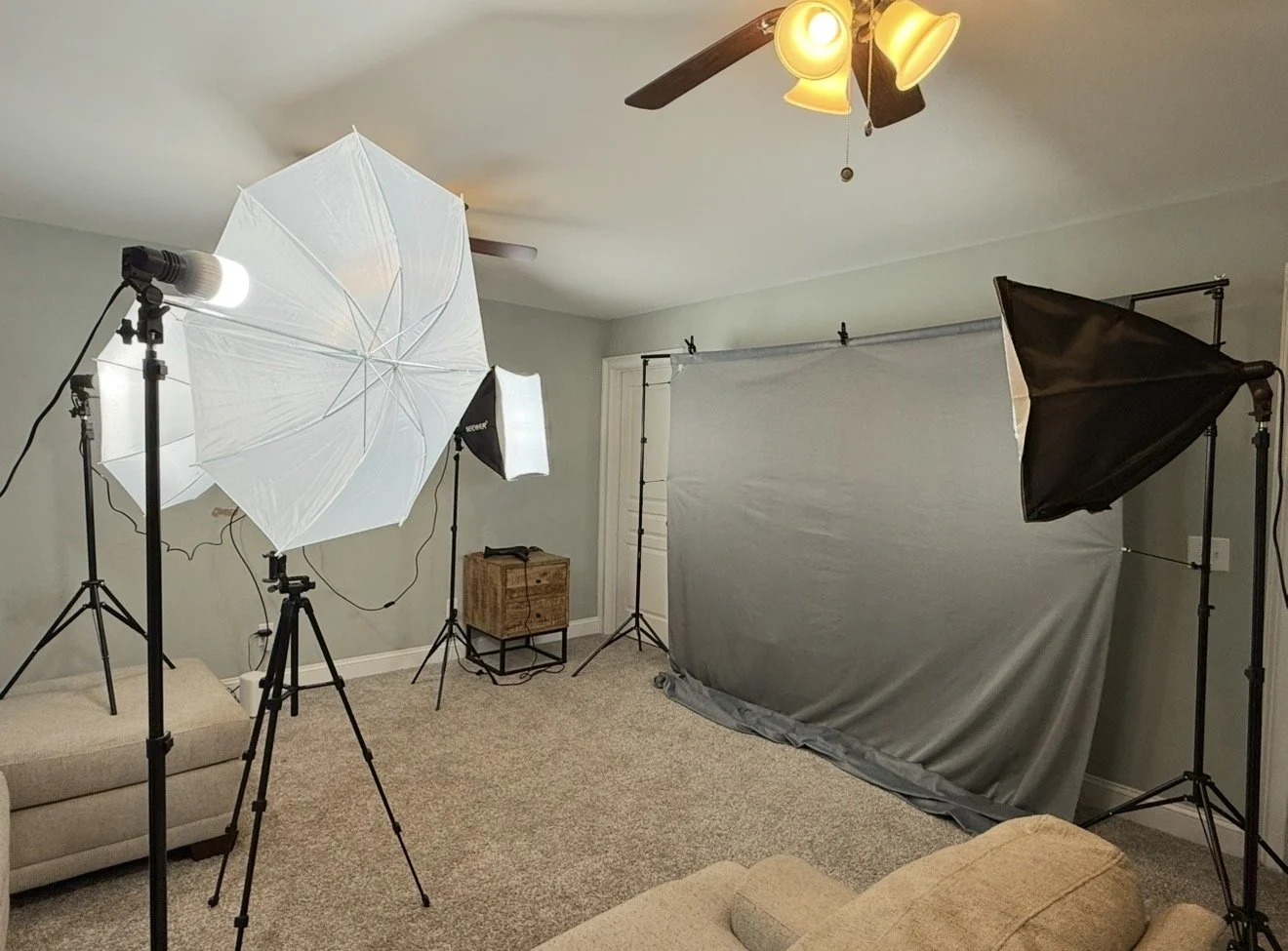
Our full setup — under $200 from Amazon and Walmart.
Position your backdrop against a wall with windows on the opposite side — natural light from behind the camera supplements your box lights beautifully.
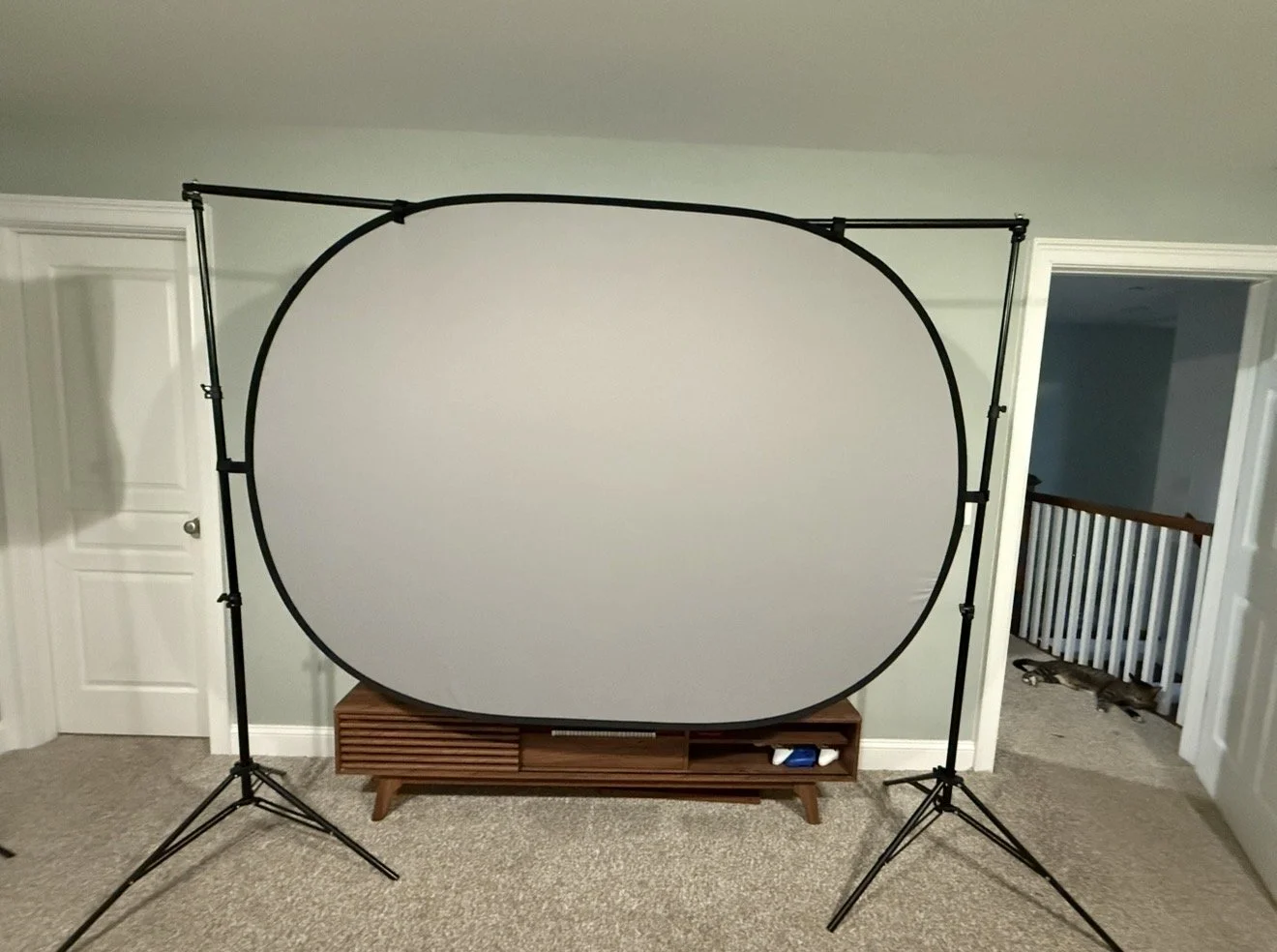
We switched to a pop-up backdrop — wrinkle-free and sets up in minutes.
Framing
Always film horizontal — never vertical. Frame from mid-waist up with a small amount of space between the top of the head and the top of the frame. This is the standard self-tape framing casting directors expect.
If you need to show a full body shot — for dance, movement, or specific direction — zoom out and show your full setup. Casting directors understand home setups and expect them. It is what it is.
The reader
The reader stands slightly off to the side of the camera — the performer makes eye contact with the reader, not the lens
The reader should never be on camera and should never be louder than the performer
Let the performer guide your reading — they know how they want to be perceived on camera. You're there to support them, not perform yourself
Practice the lines together first so the reader knows them well enough not to disrupt the flow
A fellow actor friend makes a great reader — someone who understands pacing and can give real energy back
Every self-tape needs someone to read opposite lines. A few things that matter:
Filming
Film your practice runs. When you're running lines before the official takes, have the camera rolling — sometimes a practice take is the best one.
Spend time with the sides before you tape — not memorizing them word for word but feeling them. When the lines stop sounding like lines and start sounding like thoughts, you're ready. Missing a word is fine if the take is authentic and flows well. A perfect recitation that feels hollow is worse than an honest moment with a flubbed line.
Three to five takes is typical once you have experience. When you're starting out it might be closer to twenty — that's completely normal. Keep going until it feels real. Spend anywhere from 15 to 45 minutes at a time.
Slating
A slate is a brief introduction filmed before your scene. What to include and how to deliver it depends on the casting breakdown — read the instructions carefully.
Sometimes the slate is included at the start of the scene video. Sometimes it's submitted as a separate video. Many platforms like Actors Access let you submit multiple files — when that's the case, submit the slate separately so the casting director can watch each independently. Slates typically run 10–60 seconds depending on what's requested.
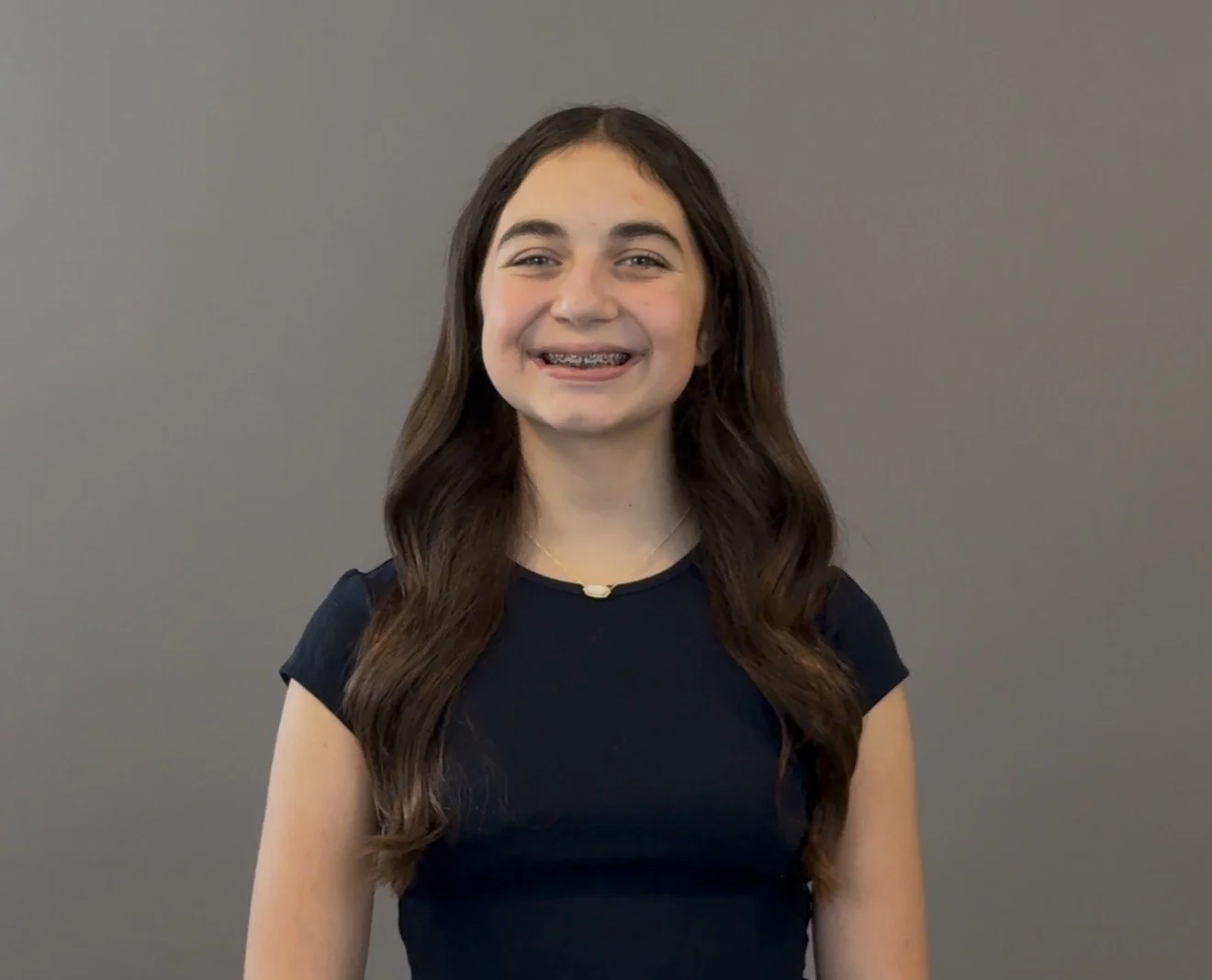
Example slate — neutral backdrop, mid-chest framing, space above the head."
Know what happens before and after
One of the most important things a performer can do before taping is understand what happens in the scene just before and just after the sides begin. Don't just jump into the first line cold — know where your character is coming from emotionally. That context shapes everything about how the scene is delivered.
What casting directors are actually looking for
The stage is looking for big. The camera is looking for real.
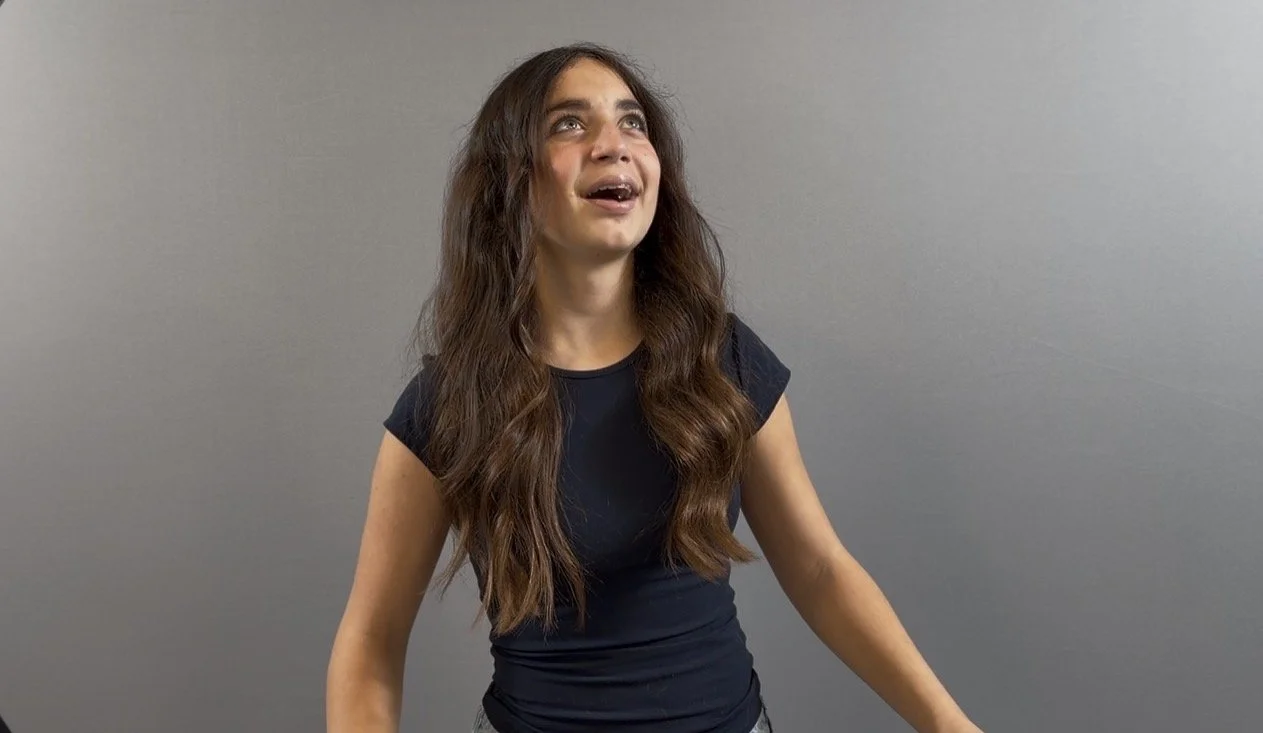
Audio should be clear with no background noise
Lighting should be even with no shadows
Framing should be correct — horizontal, mid-waist up, space above the head
Make sure you’re submitting the right take
Name your files clearly:
FirstName LastName Scene 1 and FirstName LastName Slate.
Submit directly through the platform — Actors Access, Casting Networks, or wherever the breakdown came from.